
In support of the Plastic Waste Partnership (PWP) of the Basel Convention, the Philippines continues to advance efforts toward the environmentally sound management (ESM) of plastic waste through research, stakeholder engagement, and international cooperation.
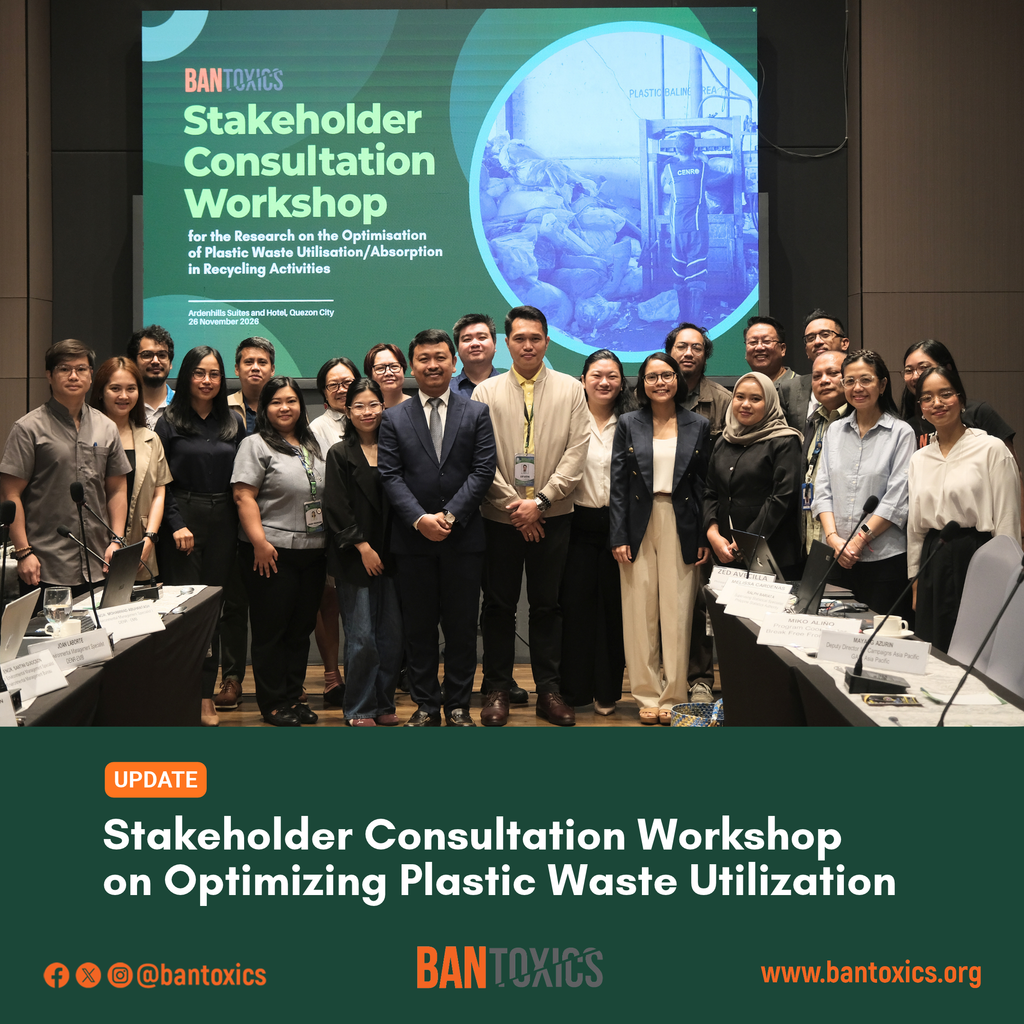
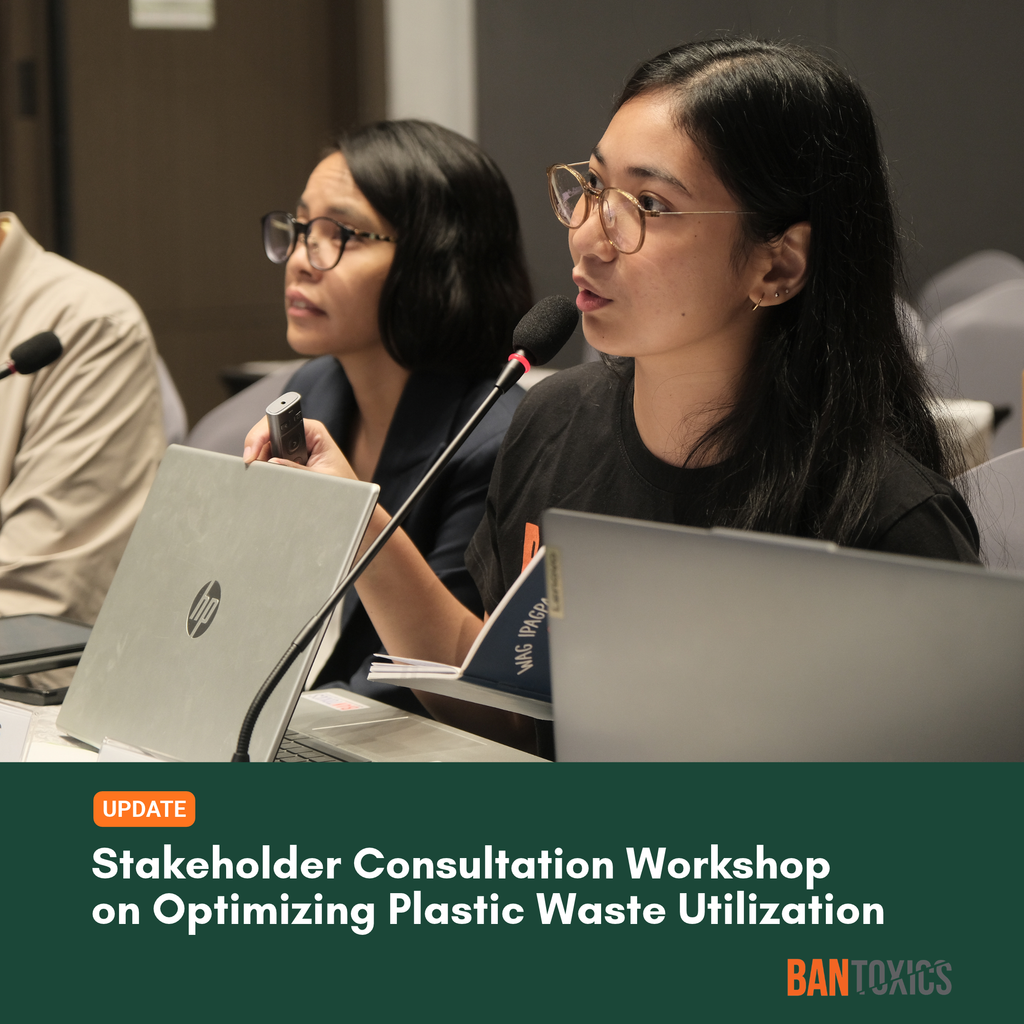
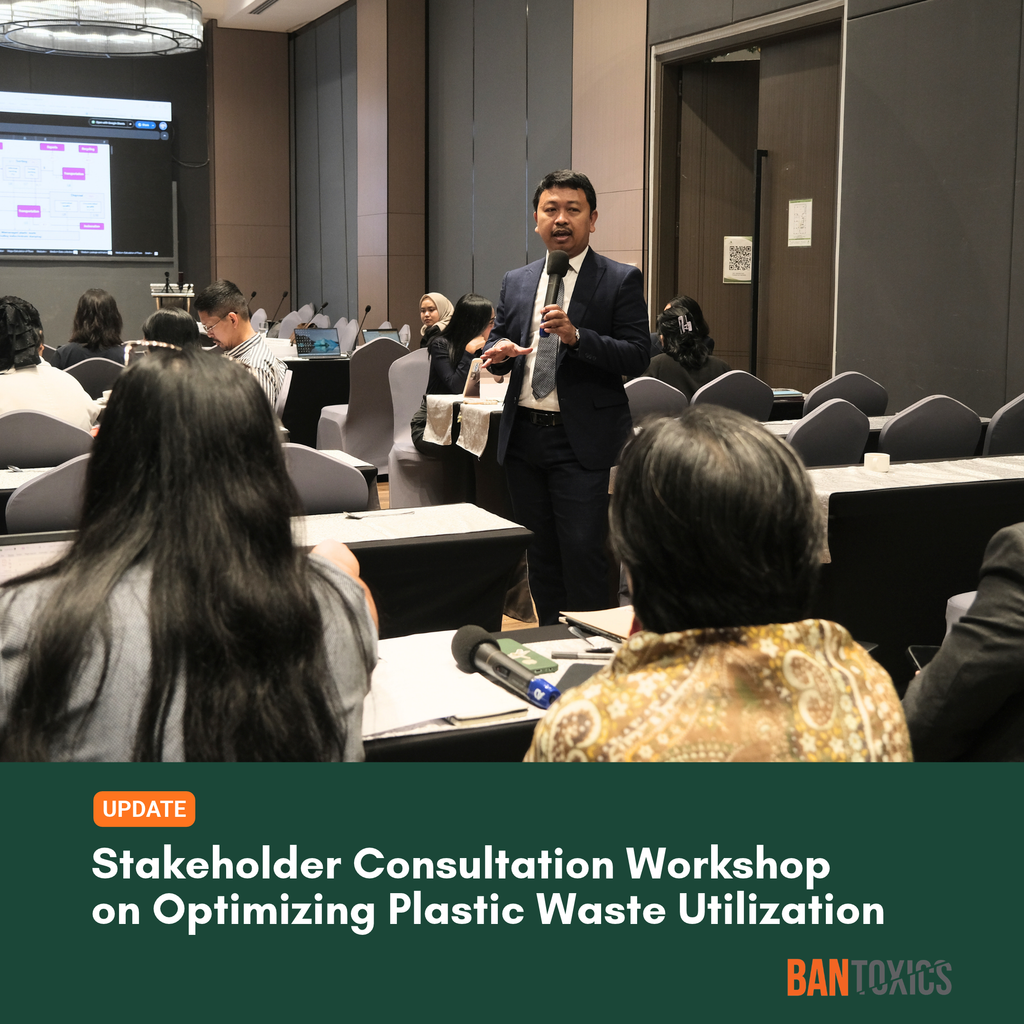
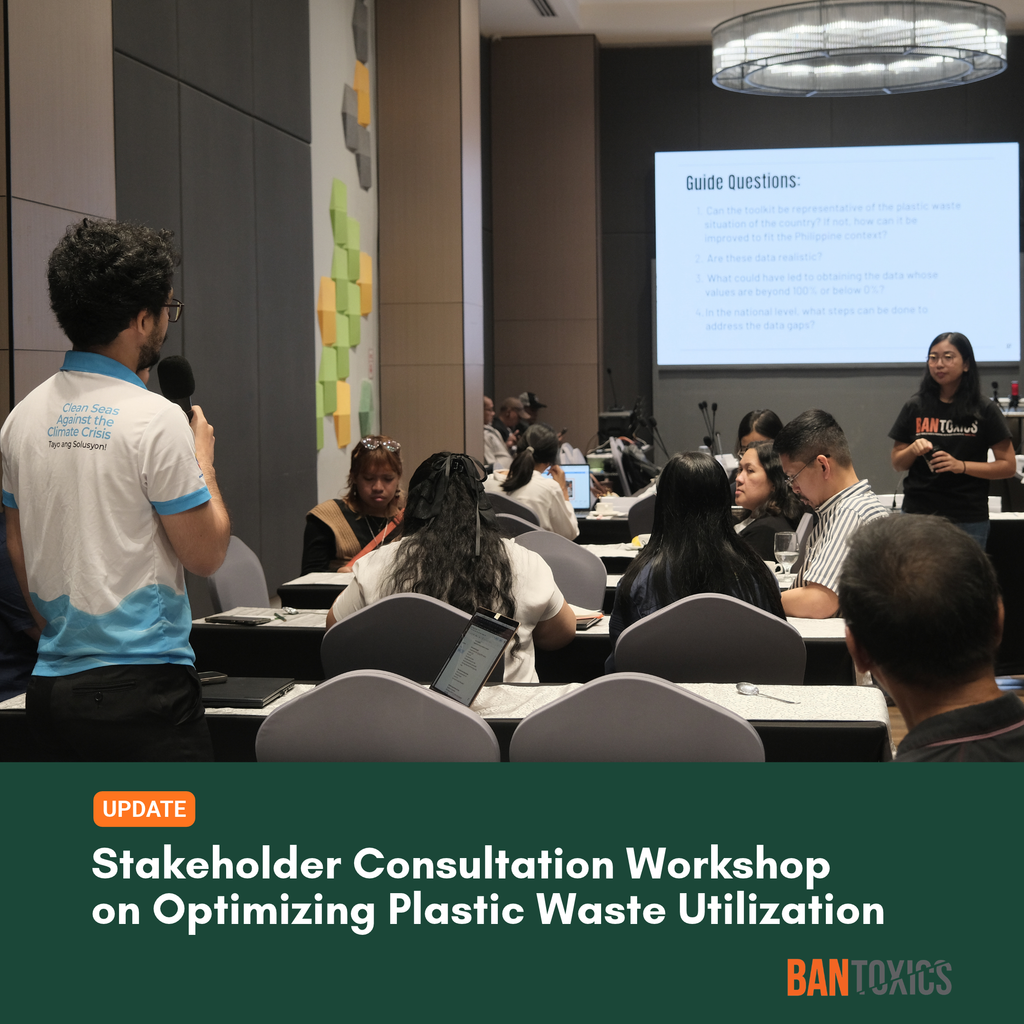
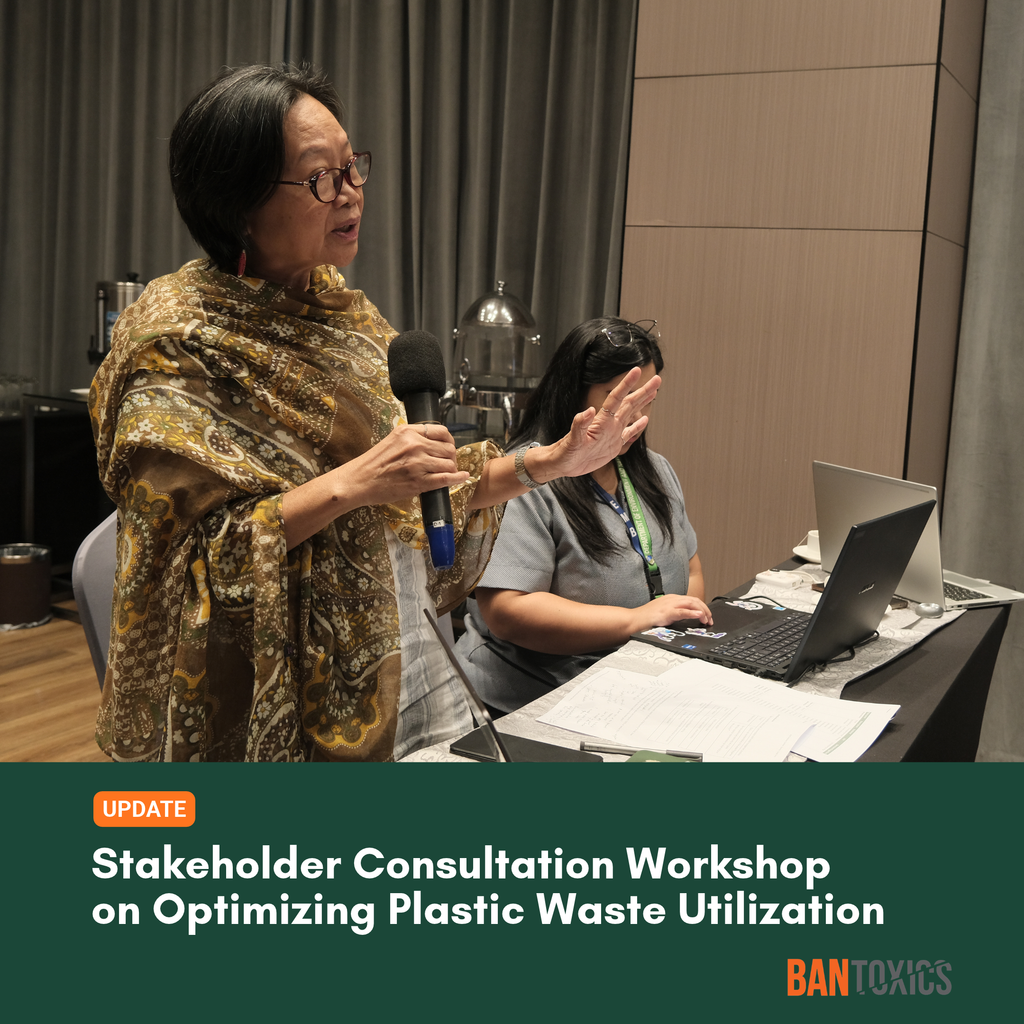
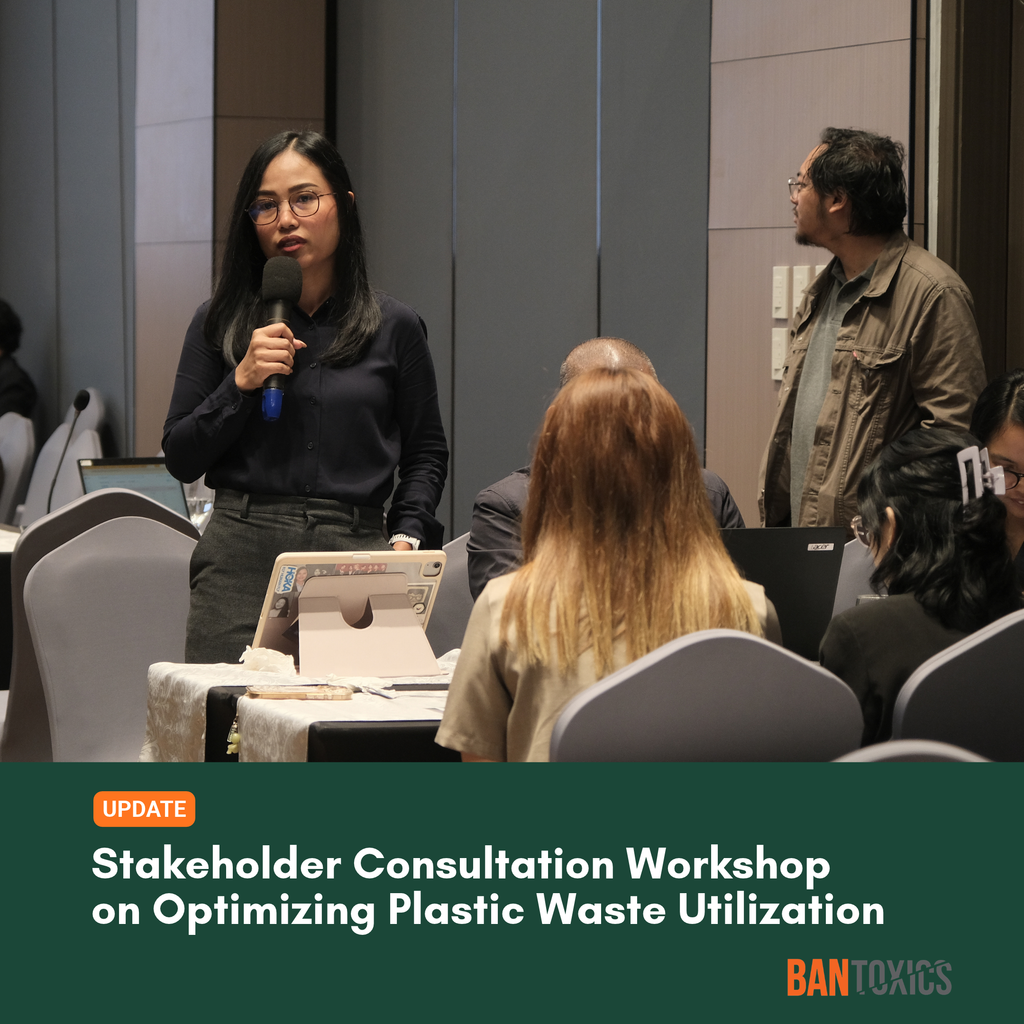
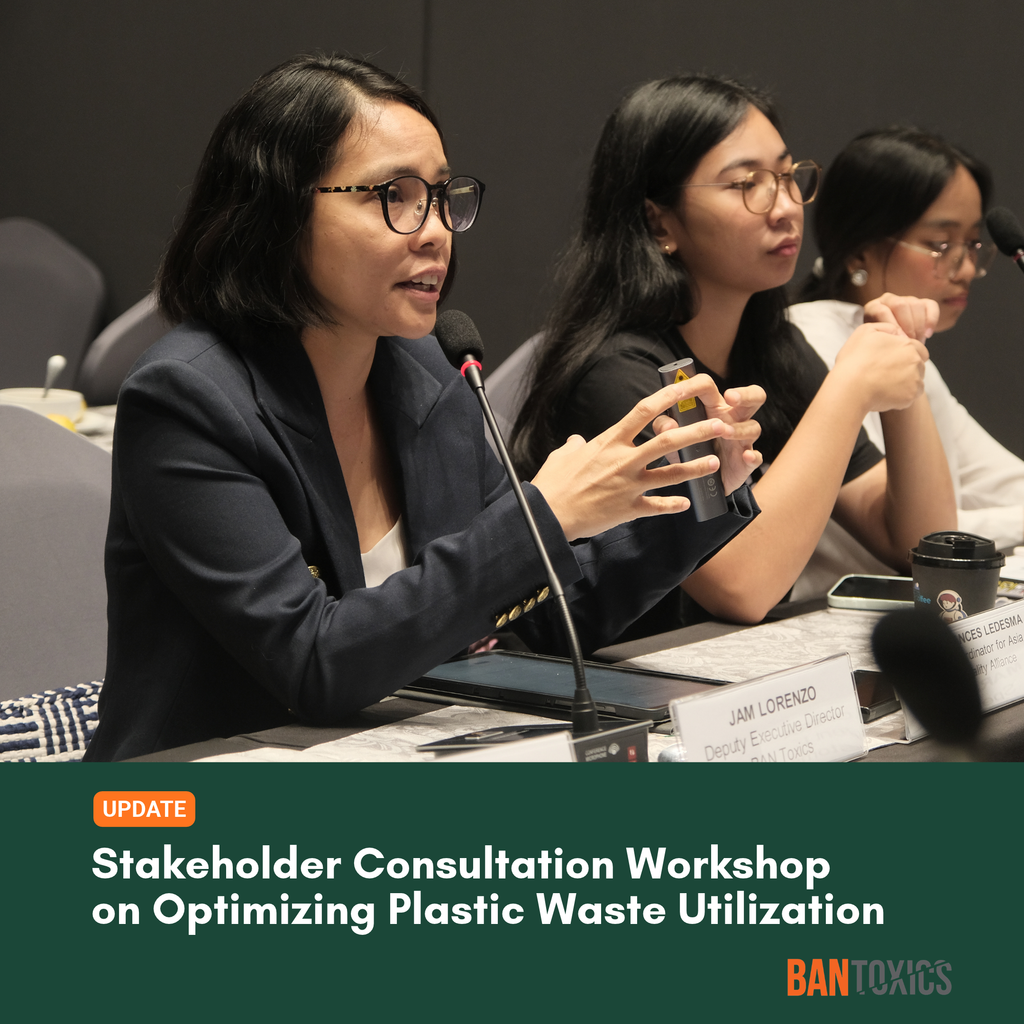
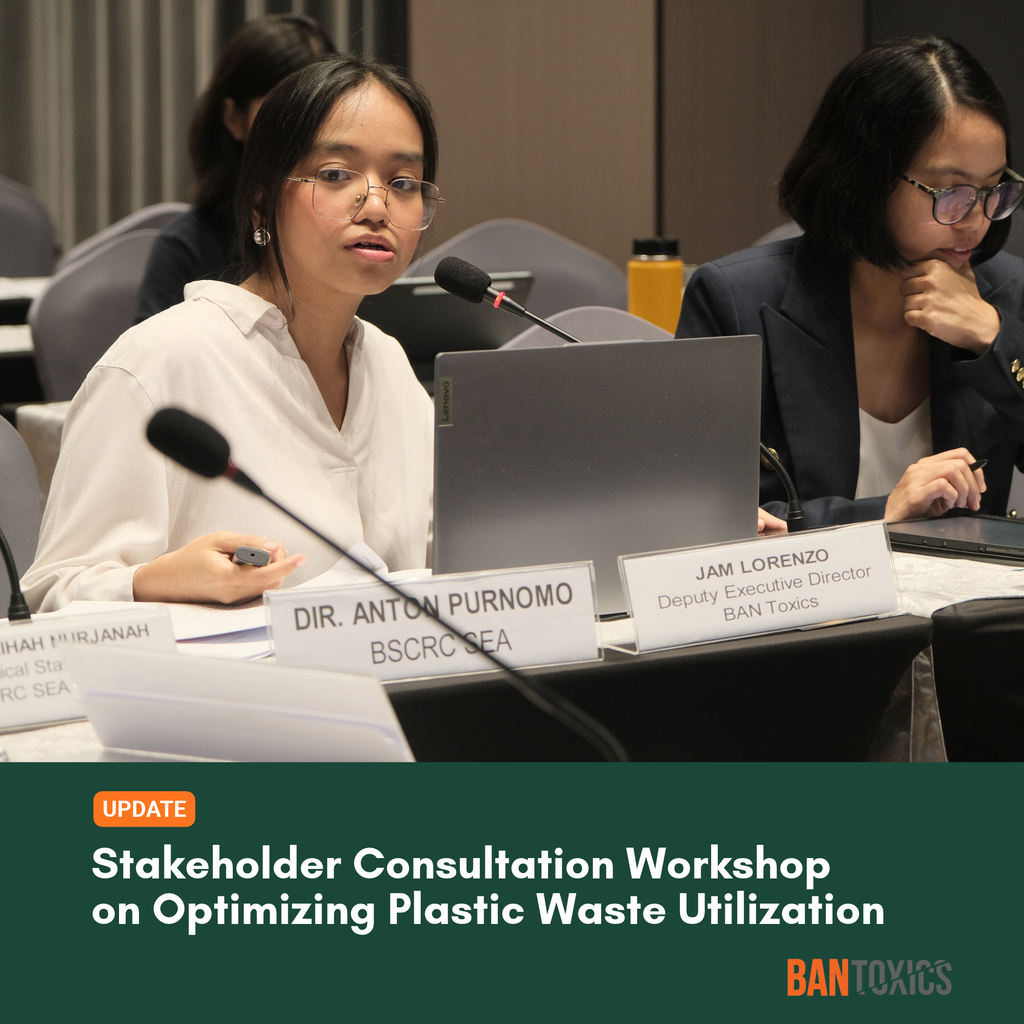
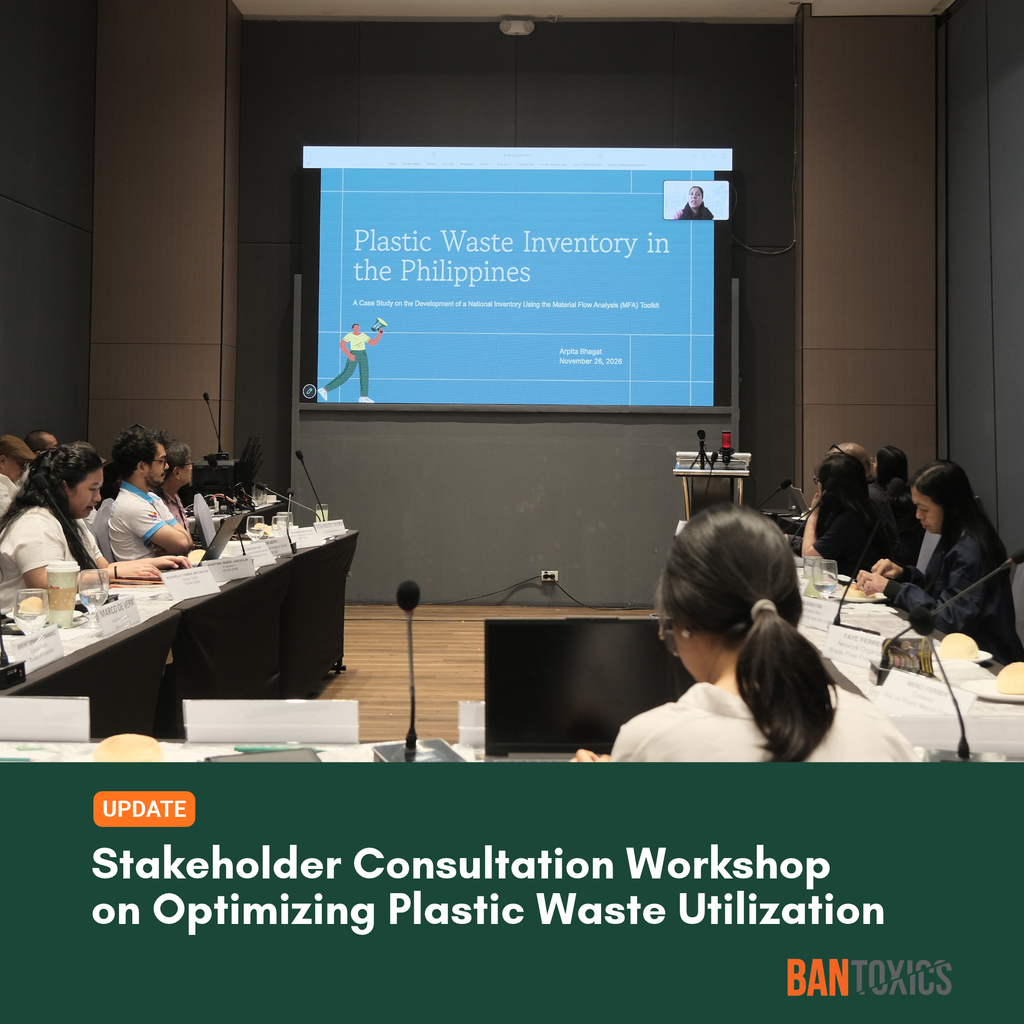
On November 26, representatives from various government institutions, civil society organizations, and other relevant stakeholders convened for a Stakeholder Consultation Workshop organized by BAN Toxics as part of the “Research on the Optimisation of Plastic Waste Utilisation/Absorption in Recycling Activities.”
Established at the 14th meeting of the Conference of the Parties to the Basel Convention on the Control of Transboundary Movements of Hazardous Wastes and Their Disposal, the PWP promotes collective action by mobilizing the resources, interests, and expertise of businesses, governments, academic institutions, and civil society organizations. It aims to improve and promote the environmentally sound management of plastic waste at the global, regional, and national levels while preventing and minimizing plastic waste generation. Through pilot projects implemented in countries worldwide, the Partnership seeks to significantly reduce and, in the long term, eliminate the discharge of plastic waste and microplastics into the environment.
In the Philippines, the Partnership is being advanced through BAN Toxics’ research. The initiative supports the implementation of the PWP’s key project areas: Plastic waste prevention and minimization; Plastic waste collection, recycling, and other recovery activities, including financing and related markets; Transboundary movement (TBM) of plastic waste; and Outreach, education, and awareness-raising.
The workshop brought together representatives from Break Free From Plastics, War on Waste Negros Oriental, Environweave, Scientists Coalition for an Effective Plastics Treaty, Community Legal Help and Public Interest Centre, Inc. (C-Help), Health Care Without Harm Southeast Asia, EcoWaste Coalition, GAIA Asia Pacific, the Bureau of Customs, the Department of Environment and Natural Resources–Environmental Management Bureau (DENR-EMB), the Department of Health, and the Philippine Statistics Authority.
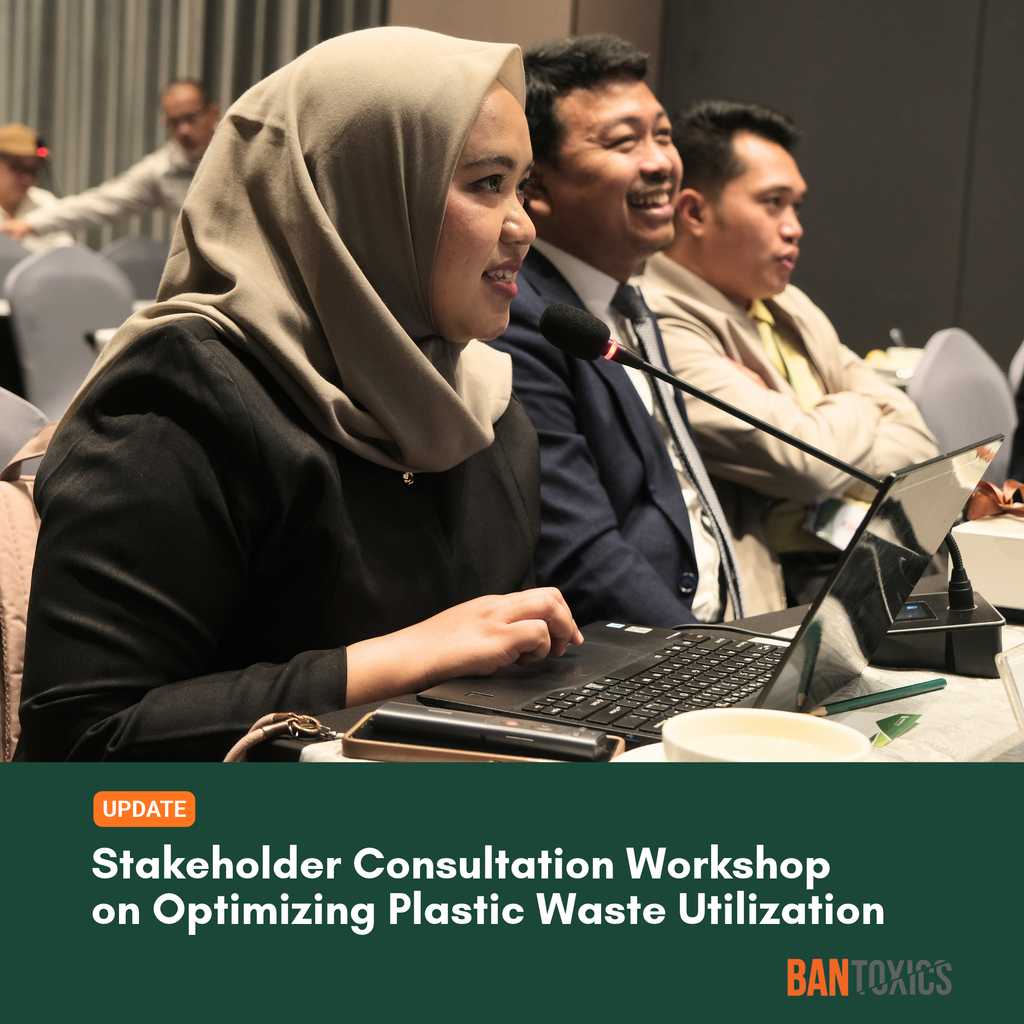
The activity served as a platform for engaging the Consultative Working Group in providing technical expertise, guidance, and recommendations to support the research project. Through their participation, members shared valuable insights on the current landscape, data gaps, existing initiatives, and opportunities to optimize plastic waste utilization in the country.
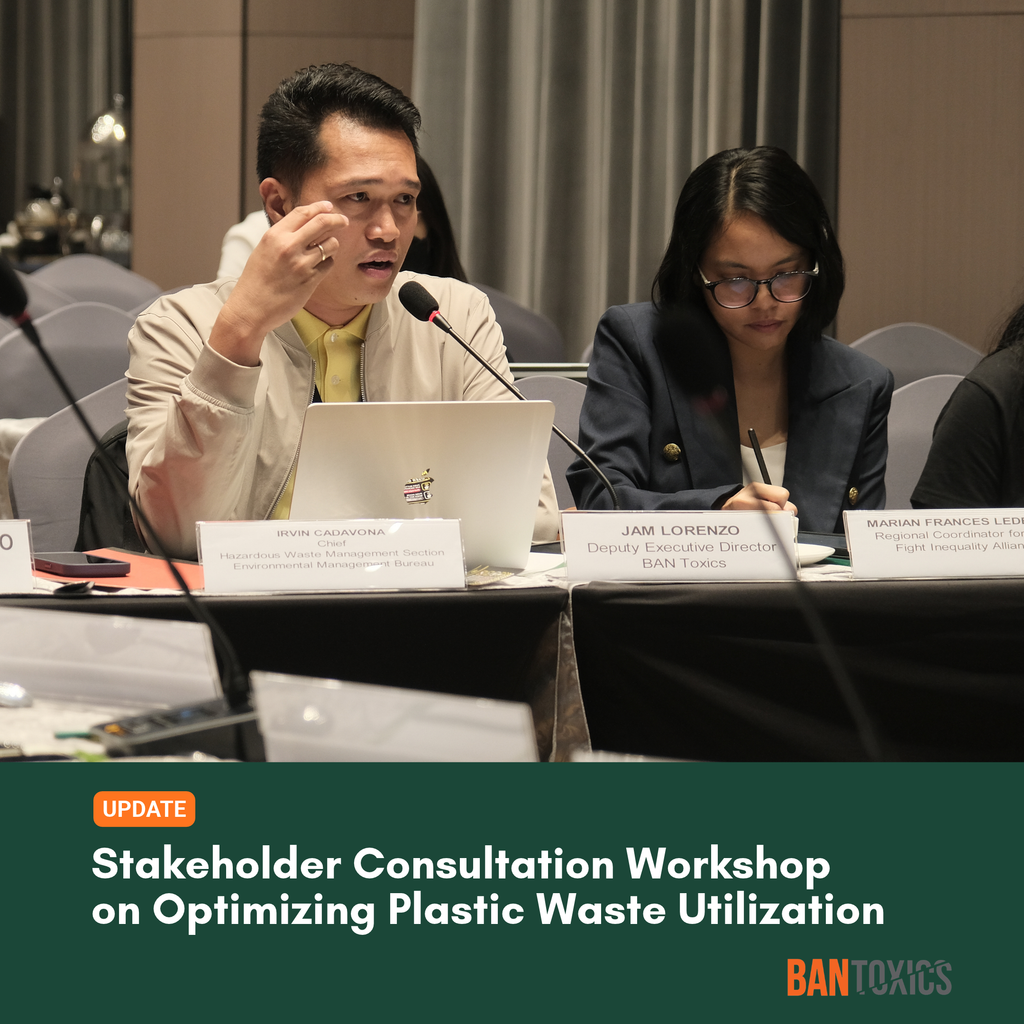
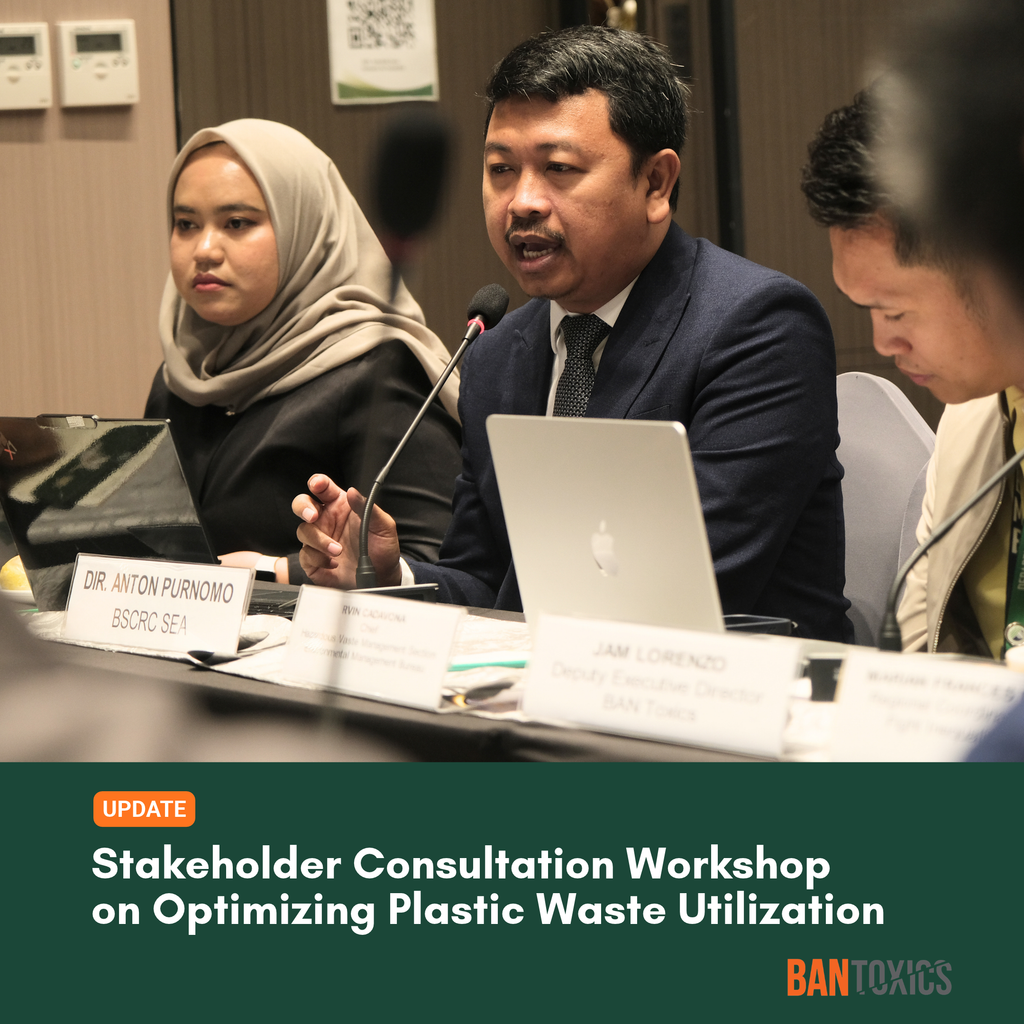
The workshop commenced with messages and insights from Irvin Cadavona, Chief of the Hazardous Waste Management Section of the DENR-EMB and Mr. Anton Purnomo, Director of the Basel Convention Regional Centre for Southeast Asia (BCRC-SEA). An overview of the research project was subsequently presented by Anis S. N. of BCRC-SEA.
Research presentations were delivered by Hannah Vargas and Winona Garcia of the Policy Development and Research Unit of BAN Toxics, Marian Ledesma of Fight Inequality Alliance, and Arpita Bhagat of GAIA Asia Pacific. Their presentations provided key information and perspectives to inform the research and facilitate discussions among participating stakeholders. The workshop concluded with closing remarks from Atty. Michael Drake Matias, DENR-EMB Director.
As its principal output, the research undertakes an inventory of plastic waste generated and assesses various measures for the optimization of domestic plastic waste utilization in each target country. By optimizing the utilization of domestically generated plastic waste, expectations aim that consequently, the need for plastic waste importation will then be minimized. In order to effectively disseminate the information on the national implementation of the Project and promote international cooperation and replicability in the region, participant countries of the Project engage in knowledge exchanges to impart localized experiences and explore measures needed at the regional level.
Ultimately, the research aims to promote the optimization of domestically-generated plastic waste utilization, prevent plastic pollution in the environment, enhance the regulations governing the transboundary movement (TBM) of plastic waste, and contribute to the development of policies to promote the circular economy of plastic waste in the Southeast Asian region.
Through meaningful stakeholder engagement, collaborative research, and the exchange of knowledge and expertise, BAN Toxics and its partners work towards advancing more sustainable and effective approaches to plastic waste management.
Amid the escalating plastic pollution crisis, BAN Toxics, alongside other environmental civil society organisations, continues to champion a zero-waste approach and push for upstream solutions that address plastic pollution at its source. This includes prioritising plastic reduction and prevention, as well as curbing unnecessary plastic production and consumption, rather than relying primarily on downstream interventions such as recycling and waste recovery. Ultimately, tackling plastic pollution requires systemic changes that prevent waste at its source, reduce dependence on plastic, and advance a truly sustainable, zero-waste future.